


%201.png)


The new Housing Transactions Act, and why it runs on data
On 24 September 2026, Finland's Ministry of Justice proposed a reform of the Housing Transactions Act (asuntokauppalaki) to strengthen protection for homebuyers and housing companies. If Parliament approves it, the law takes effect about six months later.

What changes
Homes sold during construction will need an independent construction supervisor (rakennustyön tarkkailija). The supervisor checks that the building matches the contract and that progress matches the payments made.
The annual inspection gets clearer rules. An inspection meeting reviews defects and the repairs they need. A new follow-up meeting, held 6–12 months later, confirms the repairs were done.
Buyers can still cancel before handover, but the seller's compensation claim is capped at 5% of the debt-free price. The rules on performance bond deductibles and seller-retained security change in the buyer's favour. Intermediate housing models get their own rules for resident prepayments and minimum contract contents.
What it means in practice
Every one of these changes needs the same thing: an up-to-date, shared understanding of what the buyer bought and what is actually being built. Once there is a supervisor, several inspection meetings and tighter security rules, disagreements usually come from information living in different places.
Where GBuilder fits
GBuilder already supports every step the reform formalises.
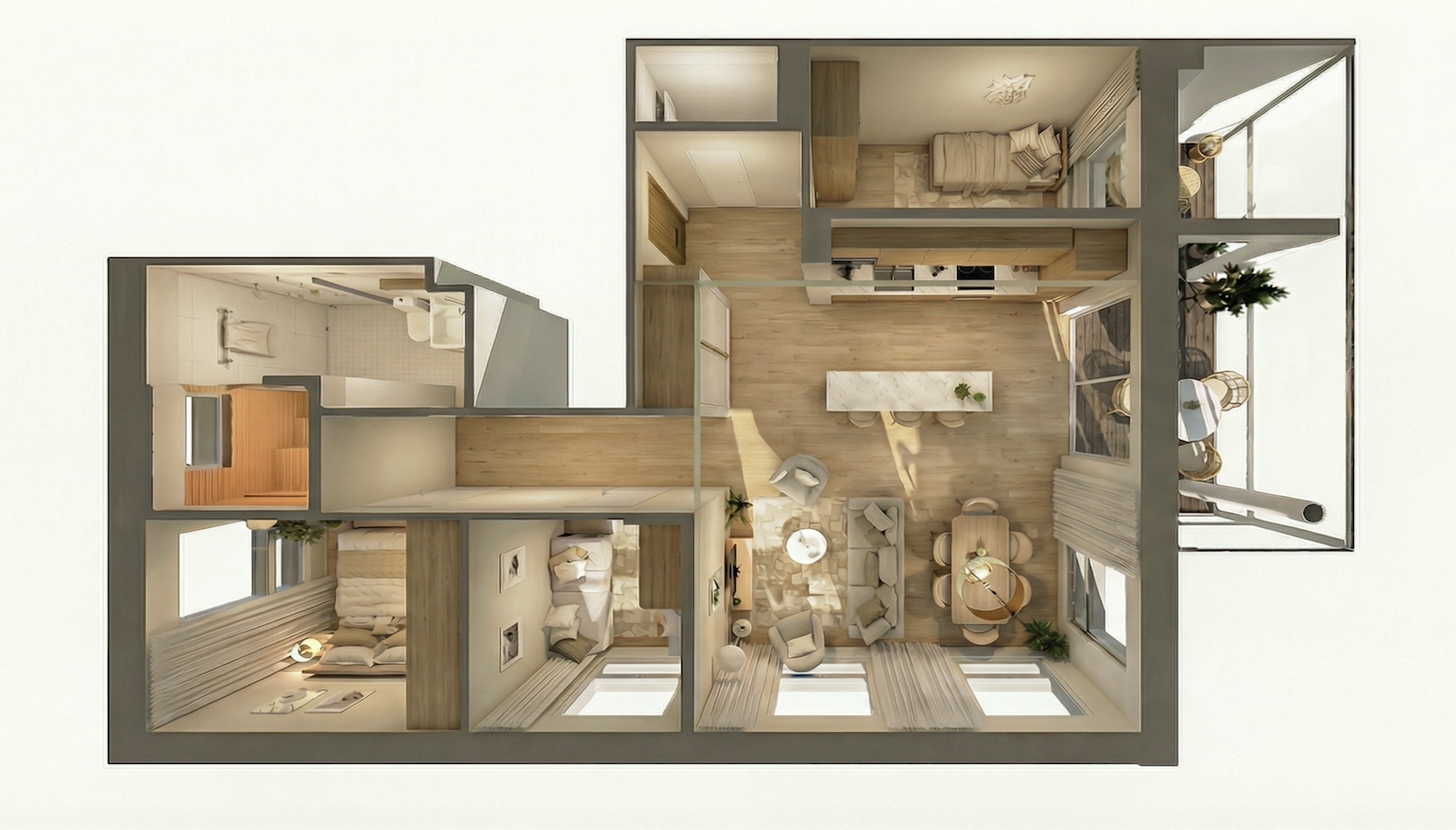
It starts with one BIM model per project. Every visual, material option and quantity comes from that model. Buyers see their actual home and make material choices in the customer portal. Sales, customer service and the site all work from the same data. What was sold is what gets built, and the construction supervisor can check that against a single source.
The reform introduces two formal meetings: the annual inspection meeting and a follow-up meeting 6–12 months later. Both can be scheduled in GBuilder's calendar, with invitations, agendas and attachments in the same place. Everyone involved sees the same meeting, the same documents and the same history.
Defects are recorded with the inspection checklist feature. Each observation is logged against the right home, assigned and followed through to repair. Every entry is time-stamped, so the process leaves a digital audit trail. When the follow-up meeting asks whether the repairs were done, the answer is already documented.
Releasing security is the last step. With Visma eSign built in, the parties sign the release digitally at the right point in the process. There is no paper round and no waiting on signatures.
The reform raises the bar for transparency in Finnish housing. With GBuilder, developers are ready for it today.


